Proton Therapy in China
Precision radiotherapy with center-published package pricing — a full course from $30,000–50,000, against US billed charges of $100,000–200,000.
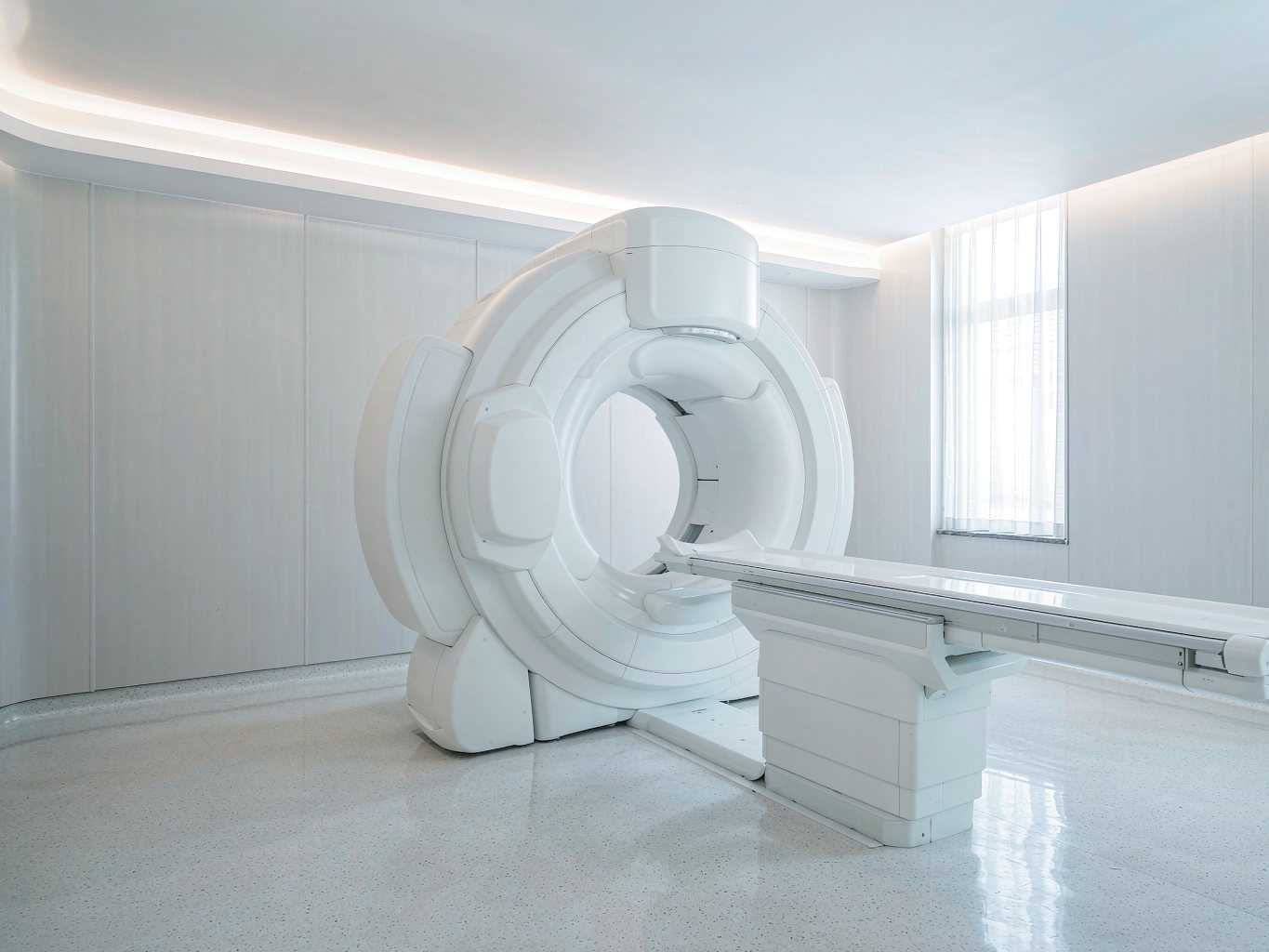
What is proton therapy?
Proton therapy is an advanced form of radiotherapy that uses a beam of protons instead of X-rays. Because of a physical property called the Bragg peak, protons deposit most of their energy directly in the tumor and stop there — significantly reducing radiation to healthy tissue beyond it. This matters most for tumors near critical structures, for re-irradiation cases, and for children, whose developing tissues are more sensitive to stray radiation dose.
China operates several proton therapy centers, including dedicated facilities in Shanghai and newer domestic systems at major hospitals. Treatment is delivered as a package-priced course, typically 4–8 weeks of daily outpatient-style fractions.
Commonly reviewed indications
Centers commonly evaluate proton therapy for:
Brain tumors, sarcomas and other pediatric cancers where sparing healthy tissue has lifelong value.
Tumors adjacent to the brain, optic pathways and spinal cord.
Selected stages, evaluated against surgery and conventional radiotherapy.
Recurrence in an area previously treated with X-ray radiotherapy.
What a proton course costs
Unlike most hospital billing, proton therapy in China is package-priced — a published rate for the full course, the same for every patient:
| Item | China | United States (reference) |
|---|---|---|
| Full proton courseall fractions, package pricing | $30,000 – 50,000 | $100,000 – 200,000billed charges commonly reported |
| Published example | ≈ $39,000radiotherapy charge published in a Shanghai center's own patient FAQ | within the US range above — single-center US quotes vary widely |
| Trend note | from ≈ $24,000newer domestic proton system's reported course rate | no US equivalent — US proton courses have no comparable domestic-system discount |
How do the results compare?
Shanghai Proton and Heavy Ion Center — the hospital that treats the majority of China's proton cases — publishes survival data for all of its patients in an annual report. Its latest figures, against the overall US cancer-survival benchmark:
| Measure | Shanghai Proton & Heavy Ion Center | US benchmark |
|---|---|---|
| All patients — 5-year overall survival11 years of operation, 9,300+ patients treated | 70.4% | 69% — five-year survival across all cancers combined, American Cancer Society, Cancer Statistics 2025 |
| Stage 0 and Stage I patients | 5-year overall survival 83.8% | Early-stage patients naturally do better in every system; the center reports grade 3–4 adverse events at 4.2% / 0.5% respectively |
| Stage II patients | 5-year overall survival 82.1% |
How we coordinate a proton case
You send diagnosis, imaging and treatment history; we confirm which centers realistically fit.
DICOM imaging, pathology and reports are organized, translated and submitted to the center's radiotherapy department.
You receive the treatment plan and package price in writing before deciding anything.
Visa letter, flights and 4–8 weeks of accommodation near the center, booked before you fly.
Daily fractions with weekly reviews; interpreter and practical support throughout the stay.
English discharge documents where provided, and a follow-up plan including later medication trips.
Where to go next
Reference ranges for all treatments, side-by-side with US prices.
Carbon-ion radiotherapy — available in China, not offered in the US.
The six-step process from first inquiry to follow-up, with fee timing.
Have imaging and pathology reports?
Then the free document review can start within days. We will tell you exactly what to send.