Nasopharyngeal Carcinoma Treatment in China
IMRT-based treatment courses from $10,000–25,000 — in the country where the disease is most studied and most frequently treated.
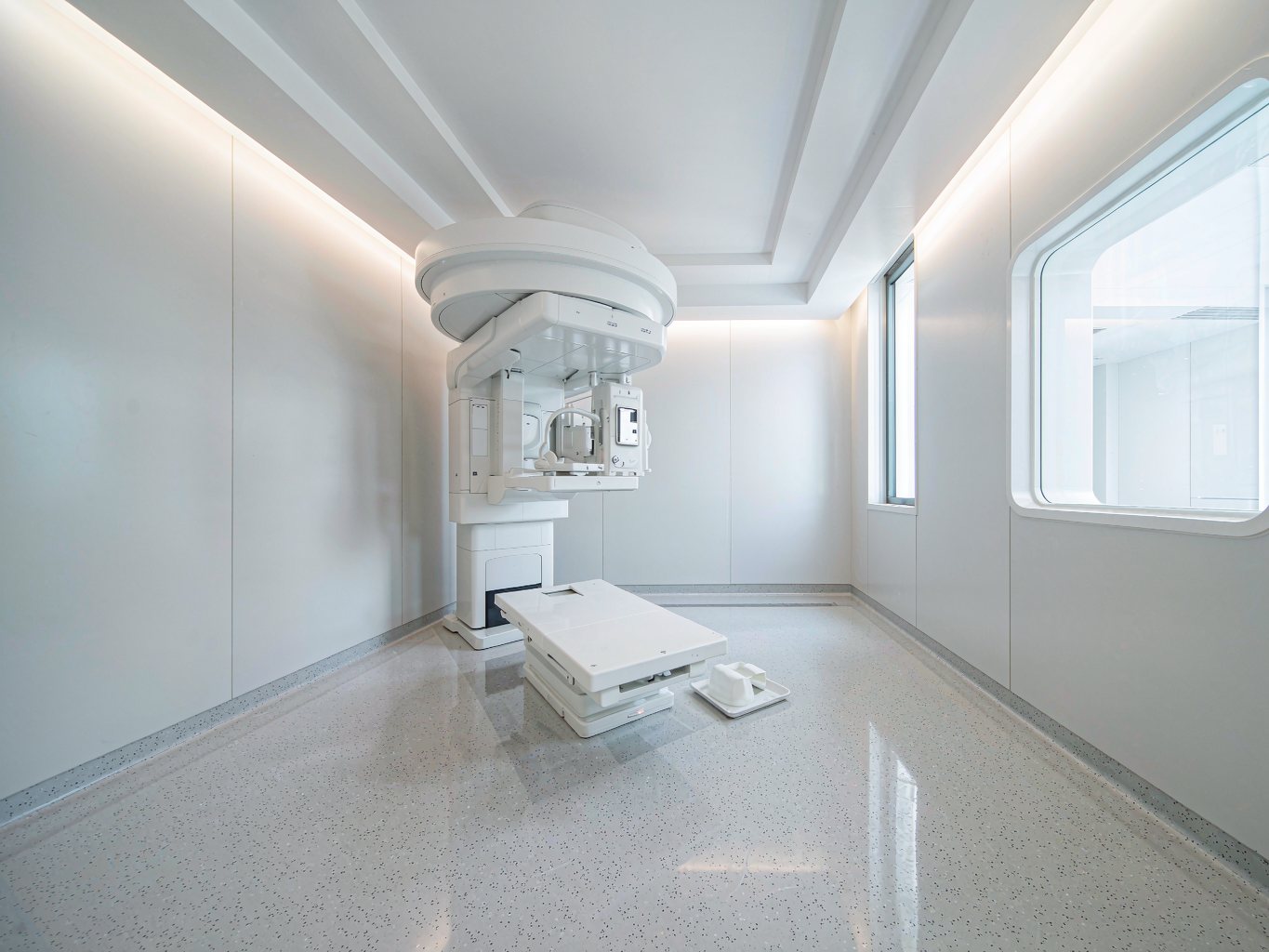
What NPC treatment involves
Nasopharyngeal carcinoma (NPC) is a cancer of the upper throat that behaves very differently from other head and neck cancers: it is strongly associated with Epstein-Barr virus, it responds well to radiation, and it is concentrated in southern China — Guangdong province in particular has one of the highest incidence rates in the world. Because of that, Chinese radiation-oncology departments treat a very large number of these cases every year.
The standard of care for most stages is intensity-modulated radiotherapy (IMRT) — highly conformal radiation that spares the salivary glands, eyes and brainstem — with concurrent chemotherapy for more advanced disease. A course is usually delivered daily over roughly six to seven weeks, so a patient stays in the city for the duration rather than travelling in for individual sessions.
Commonly reviewed indications
Radiation-oncology departments commonly evaluate:
Stage I–II disease treated with definitive radiotherapy alone.
Stage III–IVa disease treated with concurrent chemoradiotherapy.
Re-irradiation, systemic therapy or immunotherapy pathways, reviewed case by case.
Rare in this age group, but managed at centers with dedicated pediatric oncology support.
What NPC treatment costs in China
A course of radiotherapy is priced as a course, not per session:
| Item | China (international dept.) | United States (reference) |
|---|---|---|
| IMRT courseradiotherapy, per course | $10,000 – 25,000 | $35,000 – 90,000 whole course, billed charges |
| Concurrent chemotherapyif recommended | additional, quoted in the hospital’s written estimate | $50,000 – 80,000 concurrent cisplatin-based chemoradiation, billed charges |
| Duration in citytypical treatment period | 6 – 7 weeks of daily sessions | same protocol duration — daily sessions over 6–7 weeks |
How do the results compare?
Nasopharyngeal carcinoma is rare in the West and endemic in southern China — so the highest-volume NPC centers in the world are Chinese, and they publish stage-by-stage results:
| Stage (IMRT, 5-year overall survival) | Sun Yat-sen University Cancer Center | US (SEER, 2015–2021) |
|---|---|---|
| Stage I | 100% | Localized: 86% |
| Stage II | 94.3% | Regional: 79% |
| Stage III | 83.6% | Distant: 40% — advanced NPC in China (stage IVa–b) still reaches 70.5%, from the same 868-patient series |
| Stage III cohort total | 87.4% 7,081-patient IMRT cohort, 10-year experience |
How we coordinate an NPC case
You send pathology, MRI/CT of the head and neck, and any prior treatment history; we confirm which radiation-oncology centers fit the case.
Your records are presented to suitable departments, and you receive a written treatment plan and estimate before committing to anything.
Visa invitation letter, flights and a longer-stay apartment near the hospital are arranged before you fly — a radiotherapy course means weeks in the city, not days.
Imaging is reviewed on site, the immobilisation mask is made and the radiotherapy plan is prepared and explained to you through an interpreter.
Radiotherapy is delivered daily over six to seven weeks, with weekly review, blood tests and management of side effects such as mucositis.
Interpreter-supported discharge, English documents where the hospital provides them, and a surveillance plan that can be continued with your oncologist at home.
Where to go next
An alternative radiotherapy modality for selected head-and-neck cases, $30,000–50,000 per course.
Reference ranges for all treatments, side-by-side with US prices.
The six-step process from first inquiry to follow-up, with fee timing.
Have a pathology report and staging imaging?
Send the reports and we will tell you which radiation-oncology centers can review the case — and what a course would involve.