Liver Cancer Treatment in China
Surgical treatment from $15,000–35,000, coordinated at high-volume hepatobiliary centers — with Guangzhou typically at the lower end of the range.
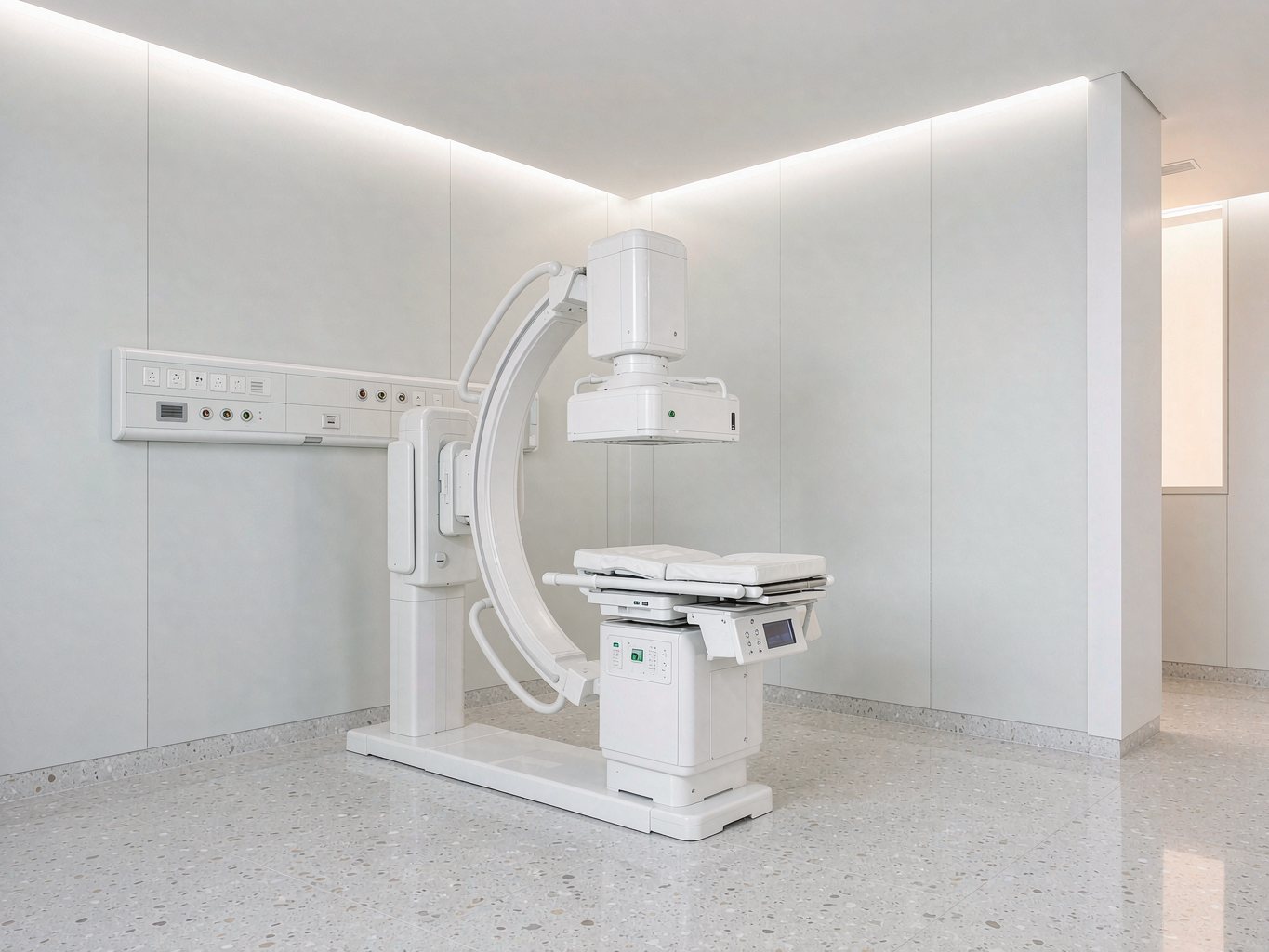
How liver cancer is treated
Primary liver cancer (hepatocellular carcinoma, HCC) is one of the most common cancers in China, largely because of the country’s high historical prevalence of hepatitis B. That burden is also why Chinese hepatobiliary centers operate and treat at a volume few countries can match, and why treatment protocols here are mature across the full range of stages — resection, local ablation, transarterial chemoembolisation (TACE), radiotherapy and systemic therapy.
Treatment is staged rather than fixed: a small tumour in a well-preserved liver may be treated with ablation or a limited resection, an intermediate-stage tumour with TACE, and an advanced tumour with targeted or immunotherapy-based systemic treatment. Because so much depends on liver function, tumour number, size and vascular involvement, a written plan from a hepatobiliary multidisciplinary team matters more here than in almost any other tumour type.
Commonly reviewed indications
Hepatobiliary departments commonly evaluate:
Tumours confined to the liver with adequate residual liver function, assessed for anatomical resection.
Local ablation (radiofrequency or microwave), sometimes as a bridge to transplantation assessment.
Transarterial chemoembolisation (TACE), alone or combined with systemic therapy.
Systemic therapy including targeted agents and checkpoint inhibitors, at China pricing.
What liver cancer treatment costs in China
Cost depends on the modality chosen, so the table separates surgery from other pathways:
| Item | China (international dept.) | United States (reference) |
|---|---|---|
| Liver resectionsurgery and hospital stay | $15,000 – 35,000 | $78,000 – 111,000 median hospital charges, open vs. laparoscopic |
| Guangzhou centerssame procedure, lower city factor | $15,000 – 24,000 | city-comparison not applicable — the US reference above is the national figure |
| Ablation or TACEper session | quoted in the hospital’s written estimate | $15,000 – 50,000 ablation $15,000–40,000; TACE $20,000–50,000 per session, several sessions common |
| Systemic therapyper cycle, drugs included | quoted in the hospital’s written estimate | $8,000 – 15,000 per 3-week immunotherapy-based cycle at US list prices ($120,000–250,000 per year) |
How do the results compare?
Fudan University Zhongshan Hospital runs the world's largest liver-surgery program — and it has published 62 years of continuous follow-up data on 26,713 liver-cancer resections, first disclosed internationally in the hospital-led Lancet report on liver cancer:
| Cohort | 5-year overall survival | Comparison |
|---|---|---|
| Zhongshan Hospital, 2011–2020 resections26,713-patient series since 1958 | 70.7% 10-year survival 57.8% — up from 10.1% in 1958–1980 | Japan national registry, 35,000+ surgical patients: 5-year overall survival 69.1% |
| Zhongshan Hospital, curative resectionshospital-published figure | 5-year survival 68% nearly 3,500 patients alive beyond 10 years | Largest US centers: a few hundred liver resections per year, vs 4,000+ at Zhongshan |
How we coordinate a liver cancer case
You send imaging (CT/MRI), pathology, liver function results and any prior treatment history; we confirm which hepatobiliary centers fit the case.
Your records are presented to suitable departments, and you receive written treatment plans and estimates before committing to anything.
Visa invitation letter, flights and accommodation near the hospital are arranged before you fly.
The treating team reviews staging and liver function on site and confirms the recommended modality with you through an interpreter.
Resection, ablation, TACE or the start of systemic therapy, with inpatient or day-case monitoring as required.
Interpreter-supported discharge, English documents where the hospital provides them, and a surveillance plan that can be continued at home.
Where to go next
Carbon-ion radiotherapy for selected liver lesions, from $35,000 per course.
Reference ranges for all treatments, side-by-side with US prices.
The six-step process from first inquiry to follow-up, with fee timing.
Have imaging and a diagnosis confirmed?
Send the reports and we will tell you which hepatobiliary centers can review the case — and what the written estimates look like.