Esophageal Cancer Surgery in China
Esophageal resection from $10,000–35,000 — a deliberately wide range, because how much surgery you need is what moves the number.
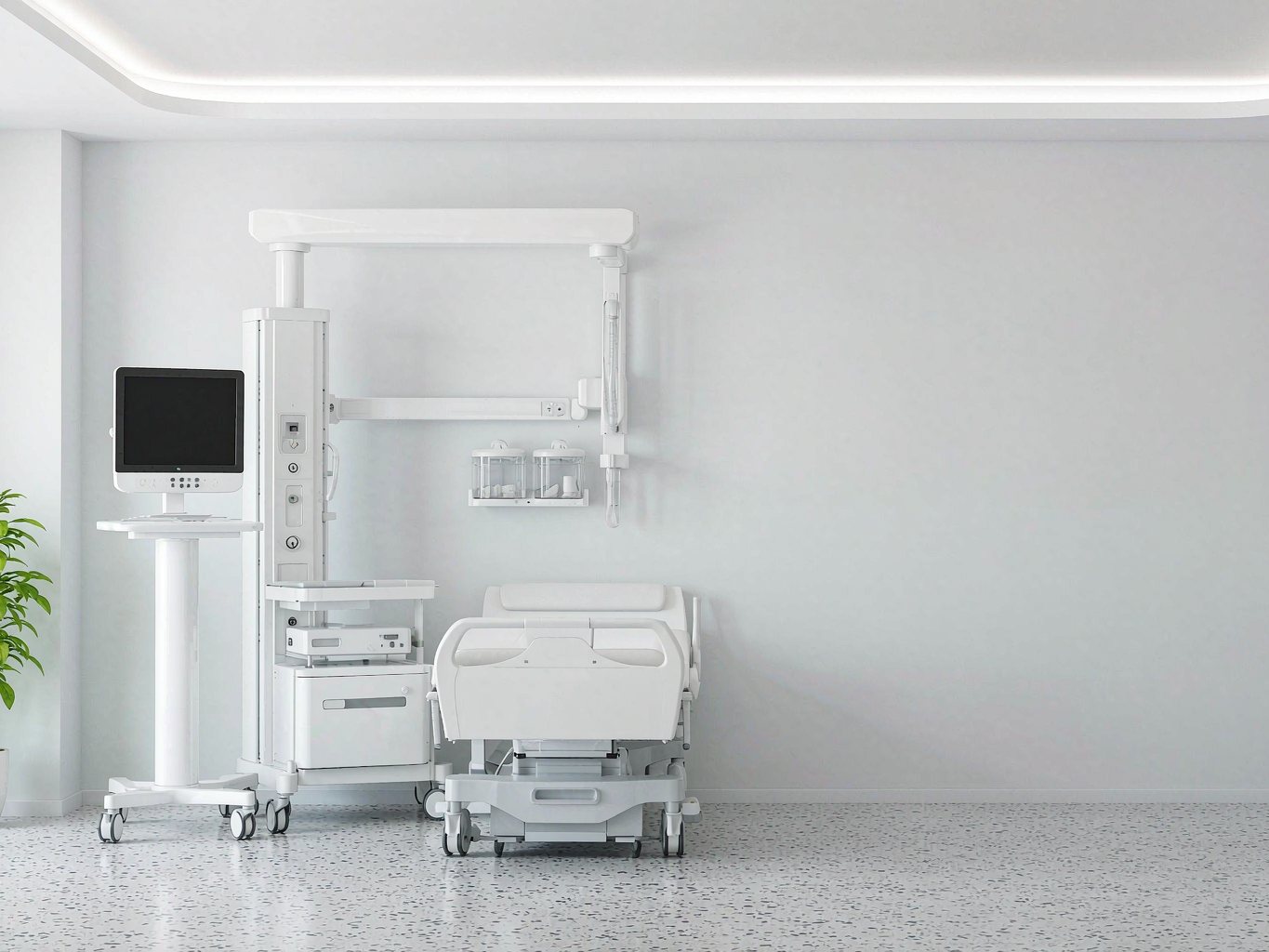
What esophageal surgery involves
Esophageal cancer is unusually common in parts of China, and thoracic surgery departments here perform esophagectomy — removal of part or all of the esophagus with lymph-node dissection and reconstruction — at a volume that few health systems outside East Asia reach. That volume supports both surgical experience and the routine use of minimally invasive approaches: thoracoscopic and laparoscopic (or robotic) esophagectomy is standard practice at major centers, rather than an exception.
Two decisions dominate both the plan and the bill. The first is the extent of the operation — how much esophagus is removed, and how the digestive tract is reconstructed. The second is sequencing: many patients receive chemotherapy, radiotherapy or both before surgery (neoadjuvant treatment), which adds time and cost before the operation itself. Very early tumours may instead be treated endoscopically, without open surgery at all.
Commonly reviewed indications
Thoracic departments commonly evaluate:
Locally confined squamous cell carcinoma or adenocarcinoma, assessed for surgical resection.
Cases where chemotherapy and/or radiotherapy is recommended before surgery to shrink the tumour.
Endoscopic resection (ESD/EMR) for selected superficial tumours, without removal of the esophagus.
Combined-modality and definitive chemoradiotherapy pathways, reviewed case by case.
What esophageal surgery costs in China
Scope of resection and neoadjuvant treatment explain the width of the range:
| Item | China (international dept.) | United States (reference) |
|---|---|---|
| Esophageal resectionsurgery and hospital stay | $10,000 – 35,000 | ≈ $126,000 – 147,000 median total hospital charges, 2016 dollars |
| Minimally invasive approachthoracoscopic / laparoscopic | within the range above | not billed separately — MIE carries the same esophagectomy charge (≈ $100,000 – 200,000 at US centers); robotic platforms can add several thousand dollars in device fees |
| Neoadjuvant therapyif recommended before surgery | additional, quoted separately | ≈ $40,000 – 80,000 radiation course $30,000 – 45,000 plus concurrent chemotherapy |
How do the results compare?
China's highest-volume esophageal-surgery centers publish their own five-year results. Three recent single-center series, all from hospitals that perform hundreds of esophagectomies a year:
| Center & technique | 5-year overall survival | Reference point |
|---|---|---|
| Fujian Medical University Union Hospital151 robotic McKeown esophagectomies, 2016–2021 | 69.1% | US SEER, localized-stage esophageal cancer: ≈ 48% 5-year relative survival — the only stage category with curative surgery as standard care |
| Peking Union Medical College Hospital226 totally minimally invasive McKeown, 2017–2022 | 71.8% | |
| Fujian Union Hospital528 minimally invasive esophagectomies, 2011–2017 | Locally advanced, best-outcome subgroup: 51.1% | Western reference (CROSS trial, 10-yr): 46% for squamous carcinoma after chemoradiation plus surgery |
How we coordinate an esophageal cancer case
You send endoscopy and biopsy reports, staging imaging and any prior treatment history; we confirm which thoracic centers fit the case.
Your records are presented to suitable departments, and you receive written treatment plans and estimates before committing to anything.
Visa invitation letter, flights and accommodation near the hospital are arranged before you fly.
The multidisciplinary team confirms staging and the sequence — neoadjuvant therapy first, or surgery directly — and explains it to you through an interpreter.
The resection is performed, followed by monitored recovery, nutritional support and swallowing rehabilitation.
Interpreter-supported discharge, English documents where the hospital provides them, and a follow-up plan that can be continued at home.
Where to go next
For selected esophageal cases where radiotherapy is part of the plan, $30,000–50,000 per course.
Reference ranges for all treatments, side-by-side with US prices.
The six-step process from first inquiry to follow-up, with fee timing.
Have endoscopy and staging imaging already?
Send the reports and we will tell you which thoracic centers can review the case — and what the written estimates look like.