Spinal Fusion Surgery in China
Single-level fusion from $12,000–28,000 — and Guangzhou hospitals typically price below Beijing and Shanghai for the same procedure.
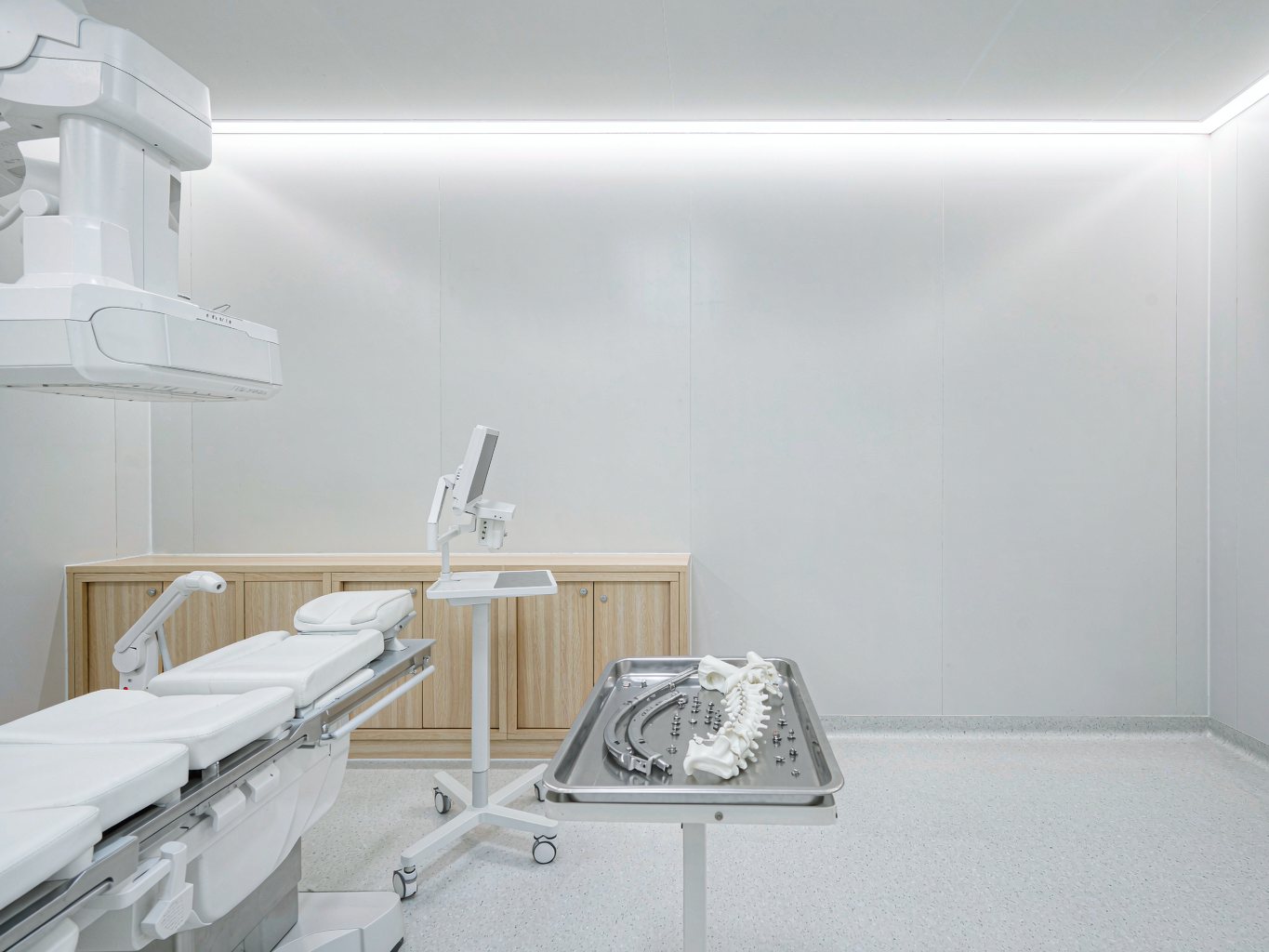
What is spinal fusion?
Spinal fusion is surgery to permanently join two or more vertebrae so they heal into a single, solid unit. It is used when the spine is unstable or when movement at a painful segment cannot be controlled by other means — most often for degenerative disc disease, spinal stenosis, spondylolisthesis or deformity. The surgeon may approach the spine from the back, the side or the front, and will use metal implants (screws, rods, cages) with bone graft to hold the segment while it fuses.
Chinese orthopedic departments are among the highest-volume in the world for degenerative spine surgery, which concentrates surgical and post-operative experience. A further consequence of that volume is implant pricing: national volume-based procurement has driven down the cost of the screws, rods and interbody cages that make up a large share of a fusion bill.
Commonly reviewed indications
Spine departments commonly evaluate fusion for:
Narrowing of the spinal canal causing leg pain or numbness on standing and walking, where decompression alone is not sufficient.
One vertebra slipping forward over another, with instability or nerve compression.
Disc-related pain that has not responded to extended non-surgical treatment.
Selected scoliosis, kyphosis and fracture cases requiring stabilisation.
What spinal fusion costs in China
Fusion is priced per operated level, so the number of levels is the single biggest driver:
| Item | China (international dept.) | United States (reference) |
|---|---|---|
| Single-level fusionimplant and hospital stay included | $12,000 – 28,000 | $80,000 – 150,000 |
| Guangzhou centerssame procedure, lower city factor | typically $8,000 – 14,000 | city-comparison not applicable — the US reference above is the national figure |
| Multi-level fusion | quoted case by case | $100,000+ multi-level or revision cases can exceed $200,000 |
How do the results compare?
China has no national spine registry equivalent to the Swedish Spine Register, so the honest quality argument rests on surgical volume and published center series:
| Factor | China (top spine centers) | US context |
|---|---|---|
| Surgical volume | Peking University Third Hospital: 8,000+ spine procedures per year — one of the largest departments in the world; Shanghai Changzheng: 6,000+ | US registry data consistently show lower complication rates at high-volume centers — these Chinese departments operate at several times typical US hospital volume |
| Published center series | Serious-complication rate below 2%; surgical-site infection 0.5–1.5% at major Chinese centers | North American registries: lumbar-fusion infection 1–2%; revision within 5 years 5–10% |
How we coordinate a spinal fusion case
You send your MRI or CT reports, any previous surgical notes and a description of symptoms; we confirm which spine centers realistically fit your case.
Your imaging and reports are presented to suitable orthopedic departments; you receive written treatment plans and estimates before committing to anything.
Visa invitation letter, flights and accommodation near the hospital are arranged before you fly.
Imaging is reviewed on site, and the surgical plan and implant choice are confirmed with you through an interpreter.
The operation is performed, followed by monitored recovery and early mobilisation with physiotherapy guidance.
Interpreter-supported discharge, English documents where the hospital provides them, and a follow-up plan that can be continued remotely with your surgeon at home.
Where to go next
The other high-volume orthopedic pathway we coordinate, from $9,000.
Reference ranges for all treatments, side-by-side with US prices.
The six-step process from first inquiry to follow-up, with fee timing.
Have imaging and a surgical opinion already?
Send the reports and we will tell you which spine centers can review the case — and what the written estimates look like.